5 Clarifications On Best Espresso Maker
Best Espresso Maker – The Breville Bambino Plus The prosumer model, which is which is a smaller version of one of the most sought-after commercial equipment, was a top pick in our tests. The pressure gauge lets you know the strength of your drink and the steam wand is easy to warm up. This is a fantastic option for coffee lovers who enjoy the process of making an espresso. The manual controls let you to grind, tamp and even time your shots. Features The top espresso maker can give you the ability to make rich and delicious drinks with a minimum of effort. A high-quality machine will have an ice wand that can generate silky milk froth that rivals the stuff made by your favorite barista. It is also required to brew multiple shots of espresso at a time. It should have a PID control that can precisely regulate and stabilize the boiler and thermoblock temperature. This will provide you with better consistency when brewing especially when your coffee is ground too coarsely or if it is over or under-extracted. A high-quality espresso maker should have a portafilter with a removable basket, which makes it easier to clean the machine. It can also make use of espresso beans that have been ground that will save you time and money. It should also have an adjustable pre-infusion function, which will allow you to control how much water is forced through the grounds during extraction. The Philips EC702 comes with a simple interface with five drink options (espresso coffee, cappuccino and macchiato latte, and black coffee). Our reviewers found the drinks to be delicious and enjoyable. It has a PID that lets you control and set the water temperature. It also has a thermoblock, which heats up quicker than other machines. It also has a water hardness test strip to aid in adjusting the system based on the hardness of your water in your area. This is a genuine consumer machine, which means that it was designed for people who do not want to invest thousands of dollars in an espresso machine but still want an excellent espresso. It has a large clear display and an intuitive interface that makes it easy to use. It comes with a built-in grinder which grinds whole beans for your favorite recipe. It can brew a whole cup at once, and comes with thermoblocks that heat up quickly. It comes with a portafilter that has double walls that produce a thick crema for your espresso shot. While there is a learning process using this machine, it is simple to use and comes with all the features you'd expect from professional coffee makers. The user's manual is extensive and includes instructions on steaming and tamping. The Rocket also has a smart espresso brewing feature that will inform you if your grounds aren't coarse enough or if you're wasting your espresso shots. It also has a professional-style milk frother, which is more efficient and clean than the one found on many other espresso makers for home use. Functions The best espresso maker has all the functions you need for mouthwatering coffee. This includes a grinder that produces consistent and fine grounds, a PID controller (that is like something straight out of a college level math class) that ensures the temperature of your water is precise as well as a portafilter equipped with a tamper for compacting the ground beans, and a steam wand to make frothy milk to serve with lattes or cappuccinos. It also has the capability to change all of these variables based on your preferences and choice of blend. This flexibility is the reason the hybrid machine is more desirable than an automatic super-machine. Design A good espresso maker will have some kind of PID controller (proportional-integral-derivative, if you want to sound smart). This is the microprocessor-controlled brain that regulates and stabilizes boiler or thermoblock temperature much more precisely than a simpler electromechanical thermostat (aka pressurestat). This is crucial because higher temperatures can cause the over-extraction of bitter tastes in an espresso shot. 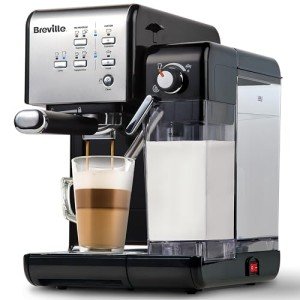 Super-automatic machines – the Jura line of brewers, for instance – do almost everything for you: measure and grind the beans, take the shot, and then froth the milk. They are not as precise as semi-automatic and manual machines, and often produce coffee that lacks the rich crema and flavor that people crave. This is why we've included a number of high-quality semi-automatic or manual espresso makers in our test. Espresso makers aren't inexpensive, however they allow you to be more in control of your brewing process. They also can make a better cup. Coffeee is a great example: It comes with an elegant, easy-to-use digital interface as well as a built-in grinder that does its job well enough to produce a decent espresso for an affordable machine. It also made a superior drips and a smooth “cold brew” within just five minutes. We've tested a lot of different machines to find the most effective espresso maker for home use. Our top choices were the semi-automatics made by Breville and Gaggia Classic Pro. These models were highly praised by two coffee pros who tested them for their user-friendliness, reliability and ability to give high-quality shots. They are easy to use if you know how grind your beans and how grind them yourself. Prosumer machines are also growing in popularity. They are smaller versions of the most popular commercial espresso machines. One of those, the Rocket Appartamento, is a beautiful work of art that requires some getting used to and requires precision in grinding and tamping. However, it can make extraordinary espresso and is ideal for those who view coffee brewing as a serious passion, not just a daily ritual. Cost The top espresso makers can be costly, but they don't have to be. For less than $500, you can buy a machine that will make delicious steaming milk and coffee easily. The Breville Bambino Plus is a ideal choice for those who are just beginning to learn about espresso or don't need a complex machine. It is compact and takes only a tiny amount of counter space. It comes with a tamper, an spout, two double-wall filters, as well as an milk jug that can be used to make cappuccinos and lattes in the cafe style. There are a lot of things to think about when buying an espresso maker, including the price and features. The majority of people who purchase these machines are devoted to their coffee and are looking for a way to create high-quality coffee at home. There are a myriad of factors in creating the perfect espresso. Even a top-quality machine could fail if the beans aren't used correctly or the grinder is not done properly. A high-end espresso machine isn't for everyone, but if you have the money and are committed to your coffee, you can't get it wrong with the Rocket Appartamento. This “prosumer machine” makes use of commercial grade components and delivers the most consistent cup of the machines we test. It has a learning process. It takes longer to heat than other top-end machines, but it has an inbuilt thermoblock that makes sure that water is at the perfect temperature for brewing or steaming. The pump is an important element of an espresso machine, as is the heating system. The majority of espresso machines are equipped with an electric pump, whereas more expensive (so-called prosumer) and commercial machines utilize quieter and larger Rotary pumps. The Vibe Pump from Nespresso is one of the most efficient and reliable available and produces high-quality shots with low noise. Another popular espresso maker for those who are new to the craft is the Gaggia Classic Pro, which is priced at around $200. The updated version of the classic model has a few improvements over its predecessor, like the improved steam wand that does not yet produce milk with a velvety texture. But it's not as easy for newbies to use as the Breville Bambino Plus and requires some manual manipulation.